

Call us now
08045804537

 Send Inquiry
Citric Acid
Price 130 INR/ Kilograms
MOQ : 25 Kilograms
Citric Acid Specification
- Melting Point
- 153C (307F)
- Molecular Weight
- 192.12 g/mol
- Ingredients
- Citric Acid (C6H8O7)
- Taste
- Sour
- Density
- 1.66 Gram per cubic centimeter(g/cm3)
- Shelf Life
- 2 years
- Poisonous
- NO
- Product Type
- Acid
- Physical Form
- Powder
- Grade
- Food Grade / Industrial Grade
- Smell
- Odorless
- HS Code
- 29181400
- Storage
- Store in a cool, dry place, keep container tightly closed
- Ph Level
- 1.8 - 2.2 (5% solution)
- Application
- Food & beverage, pharmaceuticals, cosmetics, cleaning agents, industrial uses
- EINECS No
- 201-069-1
- Structural Formula
- HOOCCH2C(OH)(COOH)CH2COOH
- Purity
- 99% min
- CAS No
- 77-92-9
- Solubility
- Soluble in water, slightly soluble in alcohol and ether
- Usage
- Acidulant, preservative, sequestrant, flavoring agent
- Appearance
- White crystalline powder
- Molecular Formula
- C6H8O7
- Properties
- Colorless, odorless and strongly acidic in nature, soluble in water, organic acid, non-toxic
- Shape
- Granular / Powder
- Loss on Drying
- 1.0%
- pKa
- 3.13, 4.76, 6.40
- Appearance (Detailed)
- White, odorless crystalline granules or powder
- Packing
- 25 kg bags, 50 kg drums, jumbo bags
- EC No.
- 201-069-1
- Heavy Metals
- 10 ppm
- Boiling Point
- 310C (decomposes)
- Hazard Class
- Non-hazardous
Citric Acid Trade Information
- Minimum Order Quantity
- 25 Kilograms
- Payment Terms
- Cash Advance (CA), Cash in Advance (CID)
- Supply Ability
- 1000 Kilograms Per Month
- Delivery Time
- 7 Days
- Main Export Market(s)
- Asia
- Main Domestic Market
- All India
About Citric Acid
Citric Acid is a naturally occurring, weak organic acid found in citrus fruits, such as lemons, oranges, and grapefruits. It is widely used in various industries, including:
1. Food and Beverages: preservative, flavor enhancer, and pH regulator
2. Cosmetics: skin care products, hair care products, and oral care products
3. Pharmaceuticals: excipient, buffering agent, and active ingredient
4. Industrial applications: cleaning agents, textiles, and metal processing
Description:
- Appearance: White, crystalline powder
- Odor: Characteristic sour smell
- Solubility: Highly soluble in water and alcohol
- Chemical formula: C6H8O7
Properties:
- Acidic pH (2.2)
- Antioxidant and preservative properties
- Chelating agent (binds metals)
- pH adjuster and buffer
Uses:
- Preserves and enhances flavors
- Regulates pH levels
- Removes stains and mineral deposits
- Enhances skin and hair care products
- Treats digestive issues and kidney stones
Safety:
- Generally recognized as safe (GRAS) for consumption
- May cause skin and eye irritation
- High concentrations can be toxic
Versatile Applications Across Industries
Citric acid's unique properties, including high purity and strong acidity, make it an essential ingredient for food processing, pharmaceuticals, cleaning products, and cosmetics. It acts as a preservative, flavor enhancer, and sequestrant, providing vital functionality in a myriad of formulations. Its safety profile and efficacy support widespread usage across different sectors.
Exceptional Quality and Safety Assurance
Our citric acid is manufactured to food-grade and industrial-grade standards, guaranteeing a minimum purity of 99%. Absence of toxins and low heavy metal content (10 ppm) ensure suitability for sensitive applications. Each batch maintains strict quality controls, supported by reliable labeling (HS Code: 29181400) and certified compliance, offering peace of mind to manufacturers and distributors.
FAQ's of Citric Acid:
Q: How is citric acid typically used in food and beverage applications?
A: Citric acid is widely utilized as an acidulant and preservative in food and beverages, enhancing flavor with its sour taste, stabilizing pH, and extending product shelf life. It also helps maintain color and freshness in a range of processed foods and soft drinks.Q: What benefits does citric acid offer as an ingredient?
A: Citric acid provides multiple benefits, including improving taste, acting as a safe preservative, aiding in mineral chelation, and enhancing cleaning effectiveness. Its strong but natural acidity makes it valuable in both consumable and non-consumable products.Q: Where should citric acid be stored to maintain its quality?
A: Citric acid should be stored in a cool, dry place with its container tightly closed. This prevents moisture absorption and clumping, thereby preserving its efficacy and shelf life, which can reach up to two years under proper conditions.Q: What is the recommended process for handling and using citric acid in manufacturing?
A: When handling citric acid, ensure you use clean, dry tools and follow standard operating procedures. Measure the required amount carefully, and add it gradually to water or blends to prevent clumping. Always avoid introducing contaminants to retain product integrity.Q: Is citric acid safe for consumer and industrial use?
A: Yes, citric acid is non-toxic and classified as non-hazardous. Its colorless, odorless nature and compliance with food-grade standards ensure that it's safe for consumption and use in various consumer and industrial products.Q: What types of packaging are available for citric acid supply?
A: Citric acid is offered in secure packaging options such as 25 kg bags, 50 kg drums, and jumbo bags, catering to varying needs of dealers, distributors, and manufacturers. This packaging safeguards quality and facilitates convenient transportation and storage.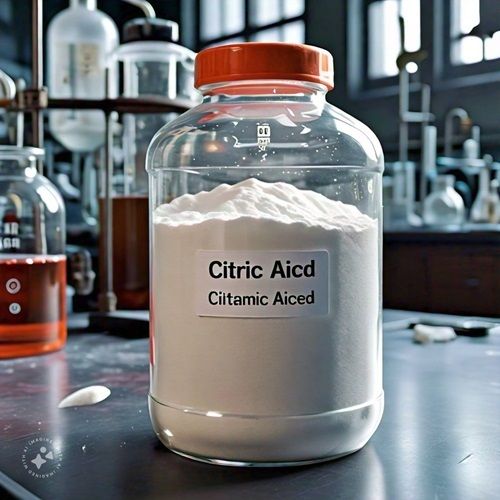
Tell us about your requirement

Price:
Quantity
Select Unit
- 50
- 100
- 200
- 250
- 500
- 1000+
Additional detail
Mobile number
Email

More Products in Industrial Chemicals Category
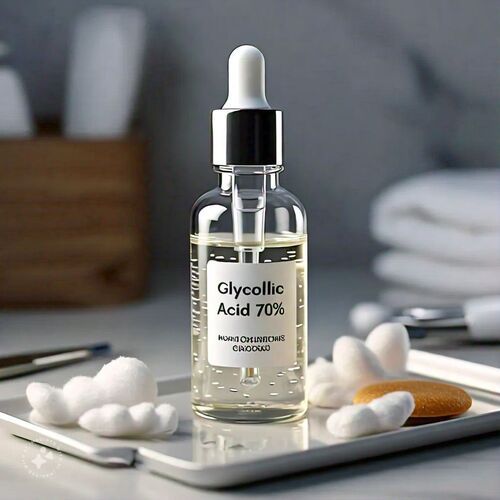
Glycolic Acid
Price 1080 INR / Liter
Minimum Order Quantity : 25 Liters
Physical Form : Liquid
Product Type : Organic Acid
Grade : Technical Grade
Application : Other , Cosmetics, chemical peels, textile dyeing, leather processing, cleaning agents
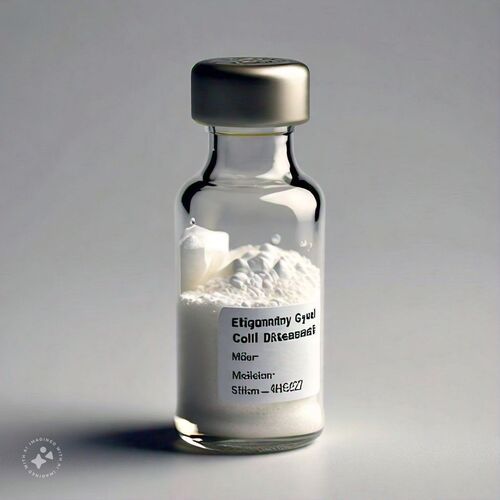
Ethylene Glycol Distearate
Price 228 INR / Kilograms
Minimum Order Quantity : 25 Kilograms
Physical Form : Other, Solid (flakes or powder)
Product Type : Surfactant / Emollient
Grade : Cosmetic / Industrial Grade
Application : Other , Shampoos, liquid soaps, bath gels, creams, lotions, personal care and cosmetic products
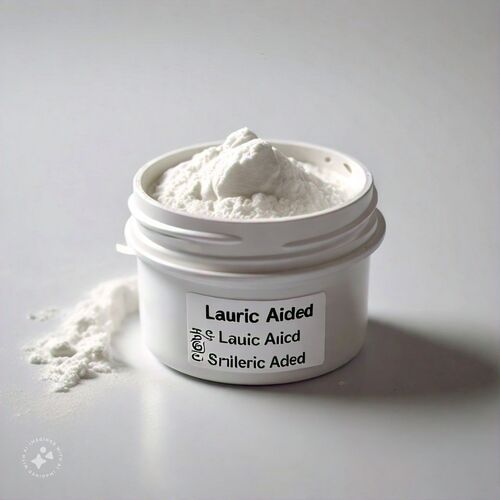
Lauric Acid
Price 136 INR / Kilograms
Minimum Order Quantity : 25 Kilograms
Physical Form : Powder
Product Type : Carboxylic Acid
Grade : Industrial Grade
Application : Other , Soap and detergent manufacturing, cosmetics, pharmaceuticals, food additives, surfactants, lubricants.
CYCLOPENTASILOXANE CHEMICAL
Price 826 INR / Kilograms
Minimum Order Quantity : 25 Kilograms
Physical Form : Liquid
Product Type : Silicone Chemical
Grade : Industrial Grade
Application : Other , Personal care products, cosmetics, hair conditioners, antiperspirants, skin care formulations

RAVI MARKETING
GST : 24AAIPZ4706C1ZR
GST : 24AAIPZ4706C1ZR
B No. 53, Girivar Glean Industrial Estate, Near-Palm Hotel, Odhav, Ring Road, Ahmedabad - 382415, Gujarat, India
Phone :08045804537

 Send Inquiry
 Send Inquiry
 Send SMS
RAVI MARKETING
All Rights Reserved.(Terms of Use)
Developed and Managed by Infocom Network Private Limited.
Developed and Managed by Infocom Network Private Limited.

