

Call us now
08045804537

 Send Inquiry
EDTA Chemical
Price 331 INR/ Kilograms
MOQ : 50 Kilograms
EDTA Chemical Specification
- Molecular Formula
- C10H16N2O8
- Product Type
- EDTA Chemical
- Poisonous
- Non-poisonous
- HS Code
- 29212100
- Shelf Life
- 2 years
- Structural Formula
- N(CH2COOH)2(CH2CH2N(CH2COOH)2)
- Ingredients
- Ethylenediaminetetraacetic acid
- Storage
- Store in cool, dry place, tightly closed containers
- CAS No
- 60-00-4
- Physical Form
- Powder
- Appearance
- White crystalline powder
- Properties
- Chelating agent, binds metal ions
- Shape
- Crystalline
- Solubility
- Soluble in water
- Application
- Water treatment, pharmaceuticals, agriculture, detergents
- Taste
- Odorless and taste-less
- Purity
- 99%
- Ph Level
- 4.5 5.5 (1% solution)
- Grade
- Industrial Grade
- Density
- 0.86 Gram per cubic centimeter(g/cm3)
- Molecular Weight
- 292.24 g/mol
- Usage
- Removes metal ions, chelation for industrial processes
- Melting Point
- 240 C (decomposes)
- Smell
- Odorless
- EINECS No
- 200-449-4
- Bulk Density
- 0.8-0.9 g/cm³
- pKa Value
- Approximately 2.0, 2.7, 6.2, 10.3
- Moisture Content
- <0.5%
- Expiry Date
- Stated on packaging
- Storage Temperature
- Below 30°C
- Compatibility
- Compatible with most chemicals except strong oxidizers
- Packing Type
- 25 kg HDPE bag
- Flash Point
- Non-flammable
- Transport Information
- Not regulated as dangerous goods
- Handling Precautions
- Wear gloves and eye protection during handling
- Lead Content
- <5 ppm
- Hazard
- Non-hazardous under normal conditions
EDTA Chemical Trade Information
- Minimum Order Quantity
- 50 Kilograms
- Payment Terms
- Cash in Advance (CID)
- Supply Ability
- 2000 Kilograms Per Month
- Delivery Time
- 7 Days
- Main Export Market(s)
- Asia
- Main Domestic Market
- All India
About EDTA Chemical
EDTA (Ethylene Diamine Tetraacetic Acid) is a versatile ingredient used in various cosmetic products due to its ability to:
1. Chelate metal ions: Prevents the growth of microorganisms, stabilizes formulas, and enhances product shelf life.
2. Inhibit oxidation: Protects products from spoilage, discoloration, and rancidity.
3. Stabilize pH: Maintains the optimal pH level in products, ensuring skin comfort and product effectiveness.
Common uses in cosmetics:
1. Skincare: Moisturizers, serums, creams, and sunscreens.
2. Haircare: Shampoos, conditioners, and hair dyes.
3. Makeup: Foundations, eyeshadows, and mascaras.
4. Toiletries: Soaps, toothpastes, and mouthwashes.
Benefits in cosmetics:
1. Preserves product freshness and stability.
2. Enhances product texture and consistency.
3. Prevents product discoloration and spoilage.
4. Supports skin and hair health by neutralizing metal ions.
Forms of EDTA used in cosmetics:
1. Disodium EDTA (most common)
2. Calcium Disodium EDTA
3. Diammonium EDTA
4. Tetrasodium EDTA
Concentration levels:
Typically used at concentrations between 0.01-0.5% in cosmetic products.
Effective Metal Ion Removal
EDTA is a powerful chelating agent capable of binding and removing metal ions from solutions. This makes it invaluable in applications ranging from industrial processes to water treatment. Its high affinity for a variety of metals ensures efficient removal and prevents unwanted metal-catalyzed reactions, enhancing process stability and product purity.
Wide Industry Applications
Industrial grade EDTA is commonly used in water treatment facilities to prevent scale formation, in agriculture to enhance micronutrient availability, and in pharmaceuticals for formulating specific medicines. Thanks to its compatibility and safety profile, it finds extensive use across these diverse industries without posing significant hazard risks.
Safe Handling and Storage Recommendations
Although EDTA is non-hazardous and not regulated as dangerous goods, it is advisable to use gloves and eye protection during handling. Store EDTA in tightly closed containers, in a cool, dry place below 30C, to preserve its quality and maximize its two-year shelf life. Proper storage and handling ensure long-term effectiveness and safety.
FAQ's of EDTA Chemical:
Q: How should EDTA be stored and handled for optimal safety and longevity?
A: EDTA should be stored in tightly closed containers in a cool, dry environment, ideally below 30C. While the compound is non-hazardous under normal conditions, it is recommended to wear gloves and eye protection when handling to avoid irritation.Q: What is the primary benefit of using EDTA in industrial and water treatment processes?
A: EDTA acts as a highly effective chelating agent, binding and removing unwanted metal ions from solutions. This improves water quality, prevents scale in pipelines, and enhances the stability of pharmaceutical and agricultural formulations.Q: When should EDTA be replaced or disposed of, and how is shelf life determined?
A: EDTA should be replaced or disposed of once it has passed its stated expiry date on the packaging or if there are visible signs of moisture or contamination. The typical shelf life is two years under recommended storage conditions.Q: Where can EDTA be safely applied or utilized?
A: EDTA is safe for use in various industries, including water treatment plants, pharmaceutical manufacturing, agriculture (as a micronutrient enhancer), and detergent production, provided it's not combined with strong oxidizers.Q: What is the process by which EDTA removes metal ions from solutions?
A: EDTA works by forming stable complexes with metal ions through a process called chelation. These complexes prevent the metals from participating in undesirable chemical reactions, effectively removing them from the solution.Q: Is EDTA compatible with all chemicals, and are there any exceptions?
A: EDTA is compatible with most chemicals except strong oxidizers, which can react with or degrade the EDTA molecule. Always verify chemical compatibility before use in new formulations.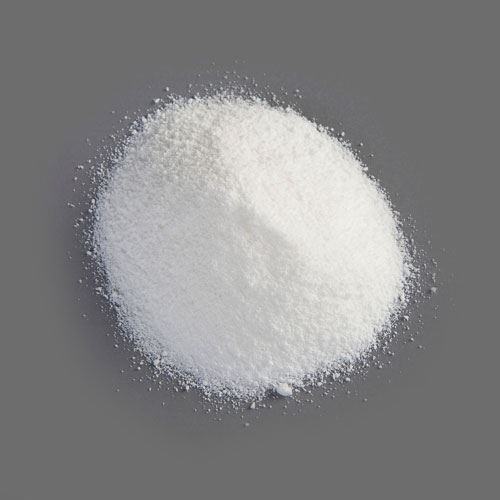
Tell us about your requirement

Price:
Quantity
Select Unit
- 50
- 100
- 200
- 250
- 500
- 1000+
Additional detail
Mobile number
Email

More Products in Industrial Chemicals Category
Acid Thickener
Price 282.00 INR / Kilograms
Minimum Order Quantity : 45 Liters
Product Type : Acid Thickener
Physical Form : Liquid
Grade : Industrial Grade
Storage : Room Temperature
Coco Diethanolamide (CDEA)
Price 204 INR / Kilograms
Minimum Order Quantity : 50 Kilograms
Product Type : Coco Diethanolamide Solution
Physical Form : Liquid
Grade : Industrial Grade
Storage : Room Temperature
Starch Powder
Price 43 INR / Kilograms
Minimum Order Quantity : 50 Kilograms
Product Type : Starch Powder
Physical Form : Powder
Grade : Industrial Grade

Alpha Olefin Sulphonate
Price 45 INR / Kilograms
Minimum Order Quantity : 50 Kilograms
Product Type : Alpha Olefin Sulphonate
Physical Form : Liquid
Grade : Industrial Grade
Storage : Room Temperature

RAVI MARKETING
GST : 24AAIPZ4706C1ZR
GST : 24AAIPZ4706C1ZR
B No. 53, Girivar Glean Industrial Estate, Near-Palm Hotel, Odhav, Ring Road, Ahmedabad - 382415, Gujarat, India
Phone :08045804537

 Send Inquiry
 Send Inquiry
 Send SMS
RAVI MARKETING
All Rights Reserved.(Terms of Use)
Developed and Managed by Infocom Network Private Limited.
Developed and Managed by Infocom Network Private Limited.

